کتاب های جدید انسان شناسی


The Design Culture Read

Edited by Ben Highmore

  • Published by: Routledge
  • Publication Date: 8th August 2008


  • About the Book


    Design is part of ordinary, everyday life, to be found in every room in every building in the world. While we may tend to think of design in terms of highly desirable objects, this book encourages us to think about design as ubiquitous (from plumbing to television) and as an agent of social change (from telephones to weapon systems).

    The Design Culture Reader brings together an international array of writers whose work is of central importance for thinking about design culture in the past, present and future. Essays from philosophers, media and cultural theorists, historians of design, anthropologists, cultural historians, artists and literary critics all demonstrate the enormous potential of design studies for understanding the modern world.

    Organised in thematic sections, The Design Culture Reader explores the social role of design by looking at the impact it has in a number of areas - especially globalisation, ecology, and the changing experiences of modern life. Particular essays focus on topics such as design and the senses, design and war and design and technology, while the editor's introduction to the collection provides a compelling argument for situating design studies at the very forefront of contemporary thought.


  • ادامه نوشته


       ?    Anthropology: The Softest Social Science

    John L. Jackson, Jr.


    About the Author

     ّI did a foolish thing last weekend. I performed a Google search on my new book — just to see if there were any references to it online that I hadn’t already seen. (Of course, I realize that the Web can be merciless on the thin-skinned, but most authors can sometimes be gluttons for such surefire cyberpunishment, pretending that the one gem they might unearth could ever outweigh the playa-hating hordes.)

    I found quite a few references to the book, mostly in fairly obscure/specialty venues, the bulk of them positive. But I was blown away by one interesting dismissal of the work, a dismissal seemingly tethered (in the first instance) to my academic background as a cultural anthropologist. My training as an anthropologist was the first strike against me.

    Why are people sometimes so dismissive of anthropology?

    In the era of Franz Boas and Margaret Mead, anthropologists were public intellectuals of the highest order. They wrote for popular magazines and challenged Americans’ too-quick assumptions about the hard-wired ‘nature’ of social life. But that was then. Now, anthropologists seem mostly relegated to the very back of the line when it comes to assessments about the value of social-scientific attempts to make sense of contemporary issues.

    For instance, there are so many anthropologists who study academic underachievement among Black and Latino students, people such as Signithia Fordham, Prudence Carter (a qualitative sociologist), Mica Pollack, and many, many others. They do in-depth, long-term ethnographic studies. They proffer compelling analyses that nuance discussions of academic underperformance, explaining when and why it happens (for instance, in specific types of schools with a particular demographic mix of students). They even write up their findings in accessible language, with an eye toward the interested audiences beyond their academic field. However, CNN’s recent “Black in America” segment on the issue chose to focus almost exclusively on the experimentalist work of an up-and-coming economist, Roland Fryer, with only the slightest nod to the legion of qualitative folks working in this area. What gives?

    It is probably a combination of what people don’t like about anthropology and what they find most powerfully persuasive about the harder sciences.

    Anthropology often gets characterized as a “postmodern” cesspool, a discipline that wallows in pseudo-theoretical (even literary) waters, embraces the most solipsistic form of navel-gawking introspection, and has recanted most of its earlier commitments to ‘objective’ outsiderism. At the same time, economists are thought to occupy a firmer space much closer to the normative benchmark that is the natural sciences, crunching numbers in ways that purport to eschew the ideologically-driven meanderings of those softer social sciences.

    There is a general pecking order in the social sciences. We all know that. It moves from economics down through the likes of political science and psychology, finally landing in the realm of sociology and anthropology. The closer one gets to serious mathematics as constituitive of the center of the discipline’s exploits, the higher one’s salary, the less diverse one’s colleagues (in terms of categories such as race or gender), and the more powerful one’s academic department. There are exceptions to this formulation, but it holds true quite a bit of the time, no?


     نشانی

    ادامه نوشته

    Conservation Anthropology

     مقاله ای تحت عنوان "Conservation Anthropology "  نوشته ی S. Glover and P. Pinho را می توانید در سایت زیر مطالعه فرمایید:

    Conservation Anthropology

    Persian New Year full of symbolism, savory foods

    Persian New Year full of symbolism, savory foods

    One of the world's oldest cuisines is that of Persia. And with the coming of the Persian New Year, or Norouz, on March 21, now is a good time to discover the rich flavors and scents from this part of the world.

    With stews perfumed with cinnamon, mint and pomegranate; tender grilled kebabs of chicken and lamb, and exotic fruits and vegetables, Persian cooking has one of the world's oldest histories and greatly influenced cuisines as far away as India and Morocco.

    Norouz means "new day" in Farsi, language of Iran, which is present-day Persia. It begins on the first day of spring and is a two-week celebration of rebirth and renewal.

    Dating to pre-Islamic times, when much of the massive Persian Empire followed the religion of Zoroastrianism, Norouz today is the biggest holiday of the year in Iran. Schools and businesses are closed, and the most prosperous take their vacation or retreat to the countryside.

    "Those were the best times of our lives," recalled Fary Moini of Carmel Valley, who grew up in the Iranian town of Jifot. "My mom and dad and the whole family would travel around the country and visit family. I remember the smell of the orange blossoms near where we lived and the smell of incense in the bonfires. We burned branches in the fires, similiar to wild sage."

    ادامه نوشته

    نوروز به روایت جهانیان


    سال نو را به تمامی دوستان شاد باش می گویم و سالی پر از عشق و نور را برای شما آرزو دارم.

    امروز به خبرگزاری های دنیا سری زدم تا متوجه دیدگاه آنها در مورد نوروز ایرانیان شوم. چند خبر را به اطلاع شما دوستان عزیزم می رسانم.

     
    Area Iranians celebrate NoRooz new year fest

    Southern California's Iranian community kicked off its new year, NoRooz, during a celebration at Los Angeles City Hall on Friday.

    NoRooz, meaning "New Day" in Persian, is celebrated in hopes of bringing hope, peace and prosperity to the world.

    NoRooz officially begins on the first day of spring, March 20.

    "It is a time to cleanse the body and soul from the ills of the past and put a new emphasis on friendship, family, health and nature," said Andrew Adelman, who is of Persian descent and works as general manager of the city's Building and Safety Department.

    Beverly Hills Councilman Jimmy Delshad, who is about to become the city's first Iranian mayor, was among those at the downtown celebration.

    نشانی


    Council to Celebrate Persian New Year

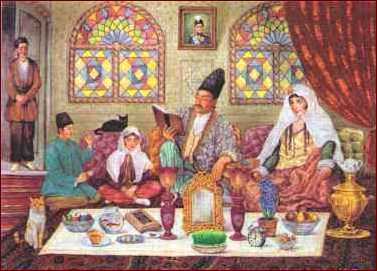
    The Los Angeles City Council this week will hold a special celebration for the Persian new year. On Friday, March 16 at 9:30 a.m., hundreds of people will gather in Council chambers to mark Norooz, a 3,500-year-old holiday. "It has no religious connotation whatsoever," said Hamid Behdad, the city's former adaptive reuse czar, who now heads the firm Central City Development Group. Instead, Behdad said, the holiday unites Persian people of different religions, and those who are Jewish, Muslim, Christian, Baha'i, Zoroastrian and other faiths will all celebrate Norooz, which is tied to the first day of spring. The Council members will mark the holiday with a proclamation (they will also note St. Patrick's Day for the Irish-American community), and following the ceremony, attendees will head to the rotunda, and then onto the patio on Spring Street, where a traditional lunch will be served. Norooz includes a ceremonial table with the Haft seen, an array of foods that symbolically relate to the beginning of the new year.

    نشانی


    ادامه نوشته

    انسان شناسان در شرکت نوکیا

    در شركت نوكيا از دانش انسان شناسان در قسمت هاي مختلف استفاده مي شود از جمله قسمت طراحي گوشي هاي تلفن همراه كه در اين گزارش به قسمتی از مصاحبه ي Jessi Hempel سردبير بخش نوآوري هاي BusinessWeek.com با Jan Chipchase انسان شناس بخش طراحي نوكيا ( مركز توكيو) مي پردازم: Jan Chipchase


    لطفا درباره ي فعاليت هايتان توضيحي كامل دهيد:


    من در بخش طراحي نوكيا كار مي كنم. در آنجا 250نفر از سرتاسر دنيا مشغول به كار هستند. در ميان اين افراد روانشناس،‌ مهندسان طراحي صنعتي و افرادي مثل من يعني انسان شناسان ديده مي شود. ما در زمينه رفتار انسان ها پژوهش مي كنيم تا بدانيم كه در آينده چه توليداتي مورد درخواست و توحه بيشتر خواهد بود.


    لطفا بيشتر توضيح دهيد:

    ما در نوكيا يك بازار داخلي ويژه ي عقايد و ايده ها داريم. ممكن كسي در نوكيا باشد كه بخواهد پژوهش كند پس نزد ما مي آيد. يا كساني در شركت هستند كه مي خواهند به پرسش هاي پژوهش پاسخ دهند. يك مثال ساده مي زنم: چه مدت است كه كساني كه تلويزيون هاي سيار را پذيرفتند از آن استفاده مي كنند؟ اين درمورد رفتارهاي در  جريان است. ما به جاهايي مي رويم كه تكنولوژي نقش بازي مي كند مثل كره ي جنوبي. ما آن را مورد بررسي قرار مي دهيم و يافته هايمان را به آينده ربط مي دهيم و درباره آينده و مكان هاي آينده فكر مي كنيم . مكان هايي را مي توان با توجه به آمار و هزينه ها پيشرفت تكنولوژي مورد نظر را در آنها حدس زد اما اگر بخواهيم اساسي و اصولي اين كار را انجام دهيم و اطلاعات درست بدست بياوريم بايد گزارش ها را تجزيه تحليل و درمورد آن پژوهش كنيم.


    ادامه نوشته

    مرکز دايره المعارف انسان شناسي توان مالي خود براي خريد نسخ خطي را از دست داده است

    با کمبود منابع مالي، خريد نسخ خطي براي گنجينه آثار خطي و فرهنگي مرکز دايره المعارف انسان شناسي تقليل يافته است.

    خبرگزاري ميراث فرهنگي_ کتاب_ مرکز دايره المعارف انسان شناسي که يکي از بزرگترين مجموعه هاي خريد نسخ خطي است و گنجينه آن به عنوان يکي از چشمگيرترين گنجينه هاي نسخ خطي در ايران بشمار مي آيد، مدتي است که با رکود خريد نسخه هاي خطي مواجه شده است.
    محمد صادق محفوظي؛ رئيس مرکز دايره المعارف انسان شناسي و موسسه پژوهشهاي ابن سينا گفت:« مرکز دايره المعارف انسان شناسي اگر چه بعد از سازمان اسناد و کتابخانه ملي که بيشترين خريد نسخ خطي را در ايران دارد، به عنوان دومين مرکز در زمينه خريد نسخه هاي خطي در ايران بشمار مي آيد، اما متاسفانه به دليل مضيقه مالي نمي تواند وارد ميدان رقابتهاي جدي با کشورهاي خليج شود و نسخه هاي منحصر به فرد را جمع آوري کند.»
    به گفته او، در طي چند سال اخير خريد نسخه هاي خطي در مرکز دايره المعارف انسان شناسي نسبت به ساليان گذشته به يک سوم تا يک چهارم رسيده و اين به خاطر تقليل منابع مالي اين مرکز بوده است.
    رئيس مرکز دايره المعارف انسان شناسي افزود:« اساسا" کار فرهنگي بدون درآمد مالي ابتر و عقيم است و اهداف آن دستخوش چالشهاي اقتصادي خواهد شد.»
    محفوظي در همين راستا متذکر شد:« از آنجا که مرکز دايره المعارف انسان شناسي داراي دپارتمانها و گروههاي تحقيقاتي فراواني در زمينه هاي مختلفي چون فلسفه، تاريخ، علوم اجتماعي و علوم روانشناسي است و مي تواند بخشي از منابع مالي خود را از طريق انعقاد قراردادهاي پژوهشي با سازمانها و مراکز دولتي تهيه و تامين کند اما متاسفانه در اين زمينه نيز با مشکلات جدي روبه رو شده و اين به خاطر آنست که در حال حاضر قراردادهاي
    ادامه نوشته

    2006 Bronislaw Malinowski Award Recipient

    The Society for Applied Anthropology is pleased to announce that Michael Horowitz has been Michael Horowitzselected as the recipient of the Bronislaw Malinowski Award for 2006.

    The Malinowski Award, initiated by the SfAA in 1973, is a career achievement distinction presented each year to an outstanding social scientist. The award recognizes and honors a career dedicated to the goal of solving human problems through the application of concepts and tools from the social sciences. Prior awardees include Gunnar Myrdal, Margaret Clark, Everett C. Hughes, Sol Tax, Elizabeth Colson, Sir Raymond Firth, and recently, Carlos Velez-Ibañez, Pertti Pelto, and the late John Bennett.

    In 1973 Congress rewrote the Foreign Assistance Act, shifting American foreign aid from capital intensive, urban-and industrial-based interventions to a focus that sought to make the rural poor its prime beneficiaries.  Sub-Saharan Africa, because of years of persistent drought, was felt to be worthy of the focus of US development attention, but who knew anything about the rural poor in the Francophone areas of the Sahel that had been the principal targets of drought and famine?  Other than a few Christian missionaries, only anthropologists had worked in these areas, and only three American anthropologists had worked in rural francophone Africa: Elliot Skinner, Peter Hammond, and me.  I accepted a position as social science advisor with USAID's West and Central Africa regional office, based in Abidjan.  My specific task was to refine and institutionalize "social soundness analysis" in the project design cycle.

    ادامه نوشته

    High technology meets cultural anthropology: Dr Genevieve Bell

    The keynote speaker for Australasian Computer Science Week discusses the past and the future of wireless technology trends around the world and across generations.
     

    Her anthropologist mother took her along to live in Aboriginal communities as a child, but Dr Genevieve Bell's vision of cultural anthropology has a more high-tech approach: her role is ethnographer and researcher for the world's largest microchip manfacturer, Intel, advising on global trends in the domestic use of technology.

    But in the spirit of her return to Australia - and Ballarat - for Australasian Computer Science Week, would it be fair to say her job is to tell American technology experts that the world's users of technology aren't all American?

    ادامه نوشته

    CSU professors exchange words over immigration issues


    Two Colorado State University professors exchanged harsh words during and after Monday’s Martin Luther King Jr. Day celebration at CSU.

    CSU anthropology professor Norberto Valdez delivered the keynote address during a community celebration at the Lory Student Center. He criticized, but did not mention by name, the chairman of the economics department, Steven Shulman, and his research regarding illegal immigration and its

    relationship to low wages for African-American and Latino workers

    He also challenged Shulman’s contention that United Farm Worker leader Cesar Chavez opposed the use of undocumented immigrants in the labor force.

    “In order to avoid questions about the real causes of low wages which are associated with capitalism, a system he defends, and to attack immigrants, which he obviously despises, he distorts the contributions of Cesar Chavez in the farm labor movement, saying that he opposed undocumented workers entering the U.S. and that African-Americans and Latinos should do the same,” Valdez said during his address.

    .

    ادامه نوشته

    Anthropology as Cosmopolitan Study


    ‘Cosmopolitan study’ is that Kantian anthropology of humanity which considers ‘the human’ to exist as a complex singularity over and above proximal categorizations and identifications of nation, ethnicity, class, religion, gender, locale, and so on. Professor Nigel Rapport, Founding Director of Concordia’s Centre for Cosmopolitan Studies, and Canada Research Chair in Globalisation, Citizenship and Justice, examines the concept of cosmopolitanism for Tolerance.ca

    A ‘cosmopolitan’, for Kant, was a citizen of two worlds, polis and cosmos: local community and a 'worldwide community of humankind'. The latter held out the promise of peace among ‘the nations’. 

    address